.avif)
Flea markets Aachen
When you move to Aachen for the first time, you quickly realize that it is not the big things that make everyday life exhausting, but the many small things. You suddenly need clothes hangers, a lamp, a kettle, maybe a small table, a shelf, a few glasses, things you've never consciously missed before. And if you buy everything new in return, it gets expensive faster than you think. This is exactly where flea markets Aachen are a really good option, because you can get surprisingly far on a low budget, and because you get to know the city on the side and get a feel for where you feel at home. Many go to flea markets because they enjoy browsing. That is completely okay. But if you do it a bit wisely, flea market can also be a real “arrival tool.” You set yourself up without taking over, you find practical things that help immediately, and you build a home step by step that doesn't look like the standard catalog. In this post, you'll get a plan on how to use flea markets in such a way that you really get something out of it. Not a top 10 list of fictional stands, but a procedure that works: What you clarify beforehand, how to recognize quality, which categories are particularly worthwhile, how to estimate prices and how to avoid bad purchases. And because many people actually need peace and quiet, especially at the beginning, we also talk briefly about why some people deliberately live furnished first, for example with the Good Shepherd, and then set themselves up later in peace through flea markets and small finds instead of building an entire household out of thin air on the first weekend.

Why flea markets in Aachen are particularly useful for newcomers
Most people underestimate how many “start-up costs” arise when moving, even if the rent is okay. It's the basics. Kitchenware, textiles, tools, small electrical appliances, storage, maybe a bicycle basket, a mirror, a decent chair. If you buy everything new, you're quick with buzz that hurts, and you still don't necessarily end up with a home that feels like you.
Flea markets have three advantages that are right for this phase.
First: You can try it out cheaply. You don't have to buy the perfect solution right away. A solid temporary shelf is sometimes better than two weeks without storage space while you're looking for the perfect dresser online.
Second: You find things that barely exist anymore. Furniture or kitchenware from older stocks in particular is often more robust than what you can buy quickly today.
Third: You get to know the city casually. Flea markets are a good reason to see new neighborhoods, get moving, get a feel for Aachen. And that's worth more than it sounds if you're new here.
Before you go: This is how you prevent typical bad purchases
The most common flea market mistake is not paying too much money. The most common mistake is buying things that you end up not using. Because they're pretty, because you're in browsing mode right now, or because you think you're going to need them at some point.
That's why it's worth a quick check before you even get started. Take two minutes and write down what you really need. Not ten things, but three to five.
For example:
A decent chair for studying.
A desk lamp.
Basic kitchen equipment.
storage boxes.
A small rug when the apartment echoes.
When you start out like this, you have focus. And focus is half the battle at a flea market, because otherwise you'll get lost in the best sense of the word.
Which things are particularly worthwhile at flea markets
There are categories where flea markets almost always make sense, and others where you should be more careful.
Classics that almost always work well
Kitchenware such as pots, pans, bowls, cutlery, glasses.
Storage and organization such as baskets, boxes, small shelves.
Textiles such as blankets, curtains, cushion covers, as long as they are clean and in good condition.
Books, learning materials, sometimes even specialized literature if you're lucky.
Small pieces of furniture such as side tables, stools, shelves.
The advantage here is that you can usually see the condition well, you can touch it, and you know relatively quickly whether it fits into your everyday life.
Things you should take a closer look at
Electronics is one such area. Some devices are great, some end up being electronic waste. When you buy electronics, ask about their function and, if possible, test them briefly. And think about whether you really want the risk if you need the device every day.
It is also worth taking a closer look at upholstered furniture. Not because flea market is fundamentally unhygienic, but because it's harder for you to estimate what you're getting when it comes to sofas and mattresses. If you don't have much storage space and need a solution quickly, it's sometimes wiser to be more conservative when it comes to things like this.
Recognize quality: That's how you feel the difference
A simple trick: Pay attention to the stability and connection of furniture. Does it shake. Are screws worn out. Are corners swollen. It smells musty. Are hinges sturdy When it comes to wood, it's worth taking a look at the surface. Small scratches are normal and often even charming, but swollen areas or cracks on load-bearing parts are a warning sign.
For dishes and glassware: Hold it up to the light, look for jumps. For pots: Check whether the soil is flat. With cutlery: Make sure the edges are clean and that it feels comfortable to hold.
It sounds detailed, but you'll get your hands on it quickly. After two flea market visits, you know exactly what you would and wouldn't buy again.
Price feeling without haggling theatre
When it comes to flea markets, many people have an image in their heads: You have to haggle, otherwise you're naive. That is not true. You can kindly ask if there is anything else possible with the prize, but you don't have to make a game out of it.
A good approach is: If something is fairly priced and you really need it, take it. If you're unsure, ask for a small discount or move on. Flea market is not only “cheap”, it is also “freedom of choice.” You don't have to buy anything just because you're there.
Aachen flea markets as a furnishing strategy: step by step instead of everything immediately
That is the part that really helps a lot of people. You don't have to have your entire apartment ready in one weekend. First, you need the things that immediately make your everyday life stable: sleep, study, food, order.
Sleep: Bed or sleep setup must work.
Learning: chair, light, quiet place.
Dining: Basic kitchen equipment.
Organization: Storage space so that your head is calmer.
Anything else can grow. This is exactly what creates apartments that feel like you instead of stress buying.
And if you live furnished: Why flea market still makes sense
Some people deliberately start out furnished in Aachen because they want to arrive quickly, without the hassle of furniture. This can be particularly useful if you're moving remotely, if you're only here temporarily, or if you want to see which neighborhood suits you first.
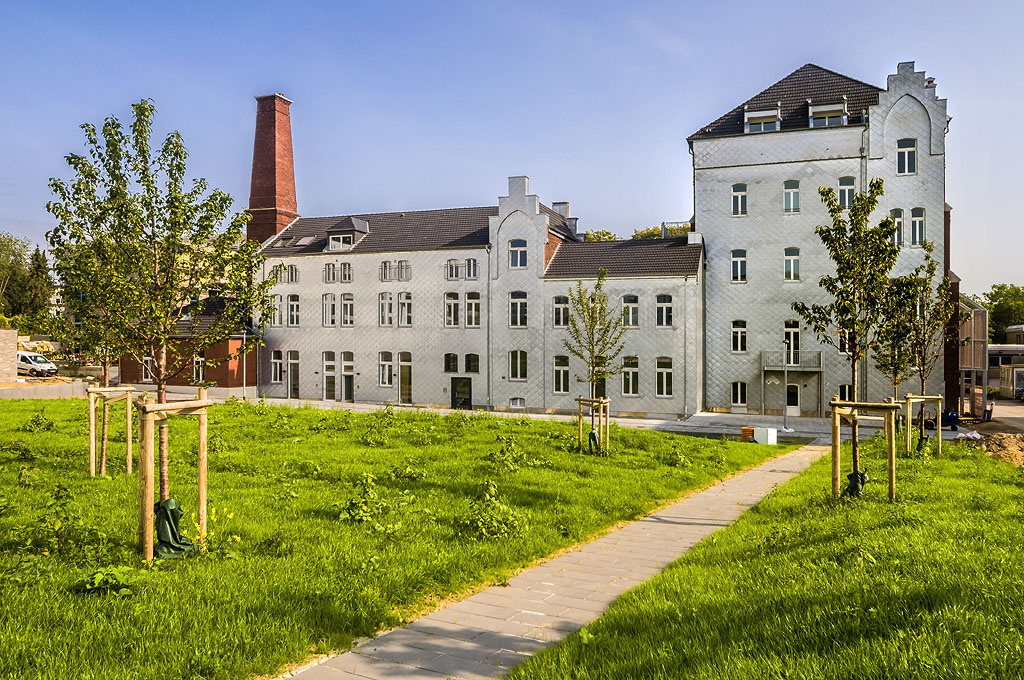
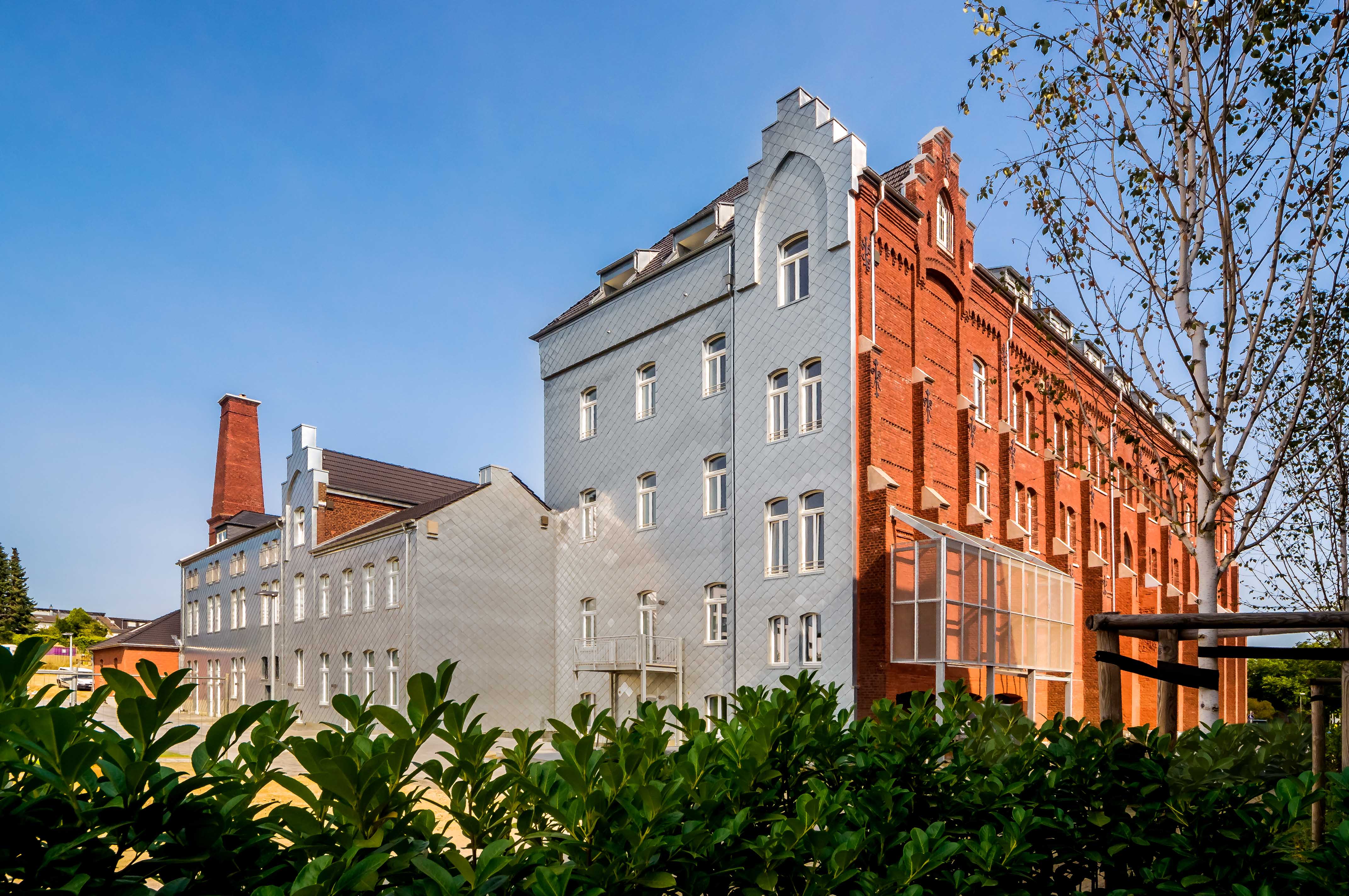
At Good Shepherd Exactly this arrival concept is attractive for many: You move into a furnished apartment and can immediately live normally. And that's when flea markets become exciting because you don't buy out of pressure, but out of desire and purpose. You'll gradually find things that make your everyday life more beautiful without burning up your entire budget in the first two weeks.
It's a very relaxed combination: first stability, then personality.
What you underestimate when it comes to transportation and how to make it easy
Buying a flea market rarely fails because of the price, but because of the transport. That is why it is worthwhile to have a small strategy beforehand.
If you just need small items, pick up a sturdy bag or backpack.
If you're looking for bigger things, plan a cargo bike, a car, or a second person.
If you are unsure, take a photo, do a quick check at home and come back again. It's better than later to notice that the shelf doesn't fit.
Transportation isn't glamorous, but it does decide whether a flea market relaxes you or stresses you out.
Flea market and sustainability, without a moral leg
Secondhand is also one of the most sustainable ways to set yourself up. But you don't have to make a big ethical act out of it. The benefits are very practical: You extend the lifespan of things, save resources, and often you get quality that would be really expensive new.
And honestly, it feels good when your home not only works, but also has a story.
conclusion
Flea markets Aachen are one of the best ways to set yourself up cheaply and sensibly as a newcomer without your budget exploding or making bad purchases out of stress. If you start with a short list of requirements, check quality and set things up step by step, the result is a home that is suitable for everyday use and feels like you.
And if you want to arrive in Aachen quickly and furnished, without temporary chaos, then the Good Shepherd be a suitable living option. You can start there stably and develop your home in peace later, including through flea markets, just as it suits your life.
Inquire directly
If you want to check whether a furnished apartment is Good Shepherd If it suits your situation, you can inquire directly and without obligation. This gives you quick clarity about availability and the process.